

Most homeowners give little considered to their roof—till something goes wrong. Knowledge roofing contractor directory before a problem arises may save yourself hundreds of dollars and reduce structural damage that materials over time. Here's what the information and style principles inform us about one of the most common roofing programs in residential construction.
How Common Are Sloped Roofs?
Sloped roofs bill for the vast majority of residential roofing across North America. Their dominance boils down to 1 core gain: gravity-driven water drainage. Unlike level programs that want integral drainage infrastructure, sloped roofs shed water and reduction snow naturally—lowering the chance of escapes, ponding water, and structural stress.
Properties with well-maintained sloped roofs also have a tendency to command higher resale prices, because of equally control appeal and long-term practical reliability.
What Types of Sloped Roofs Are Most Common?
You will find five major designs, each suited to different climates, finances, and architectural tastes:
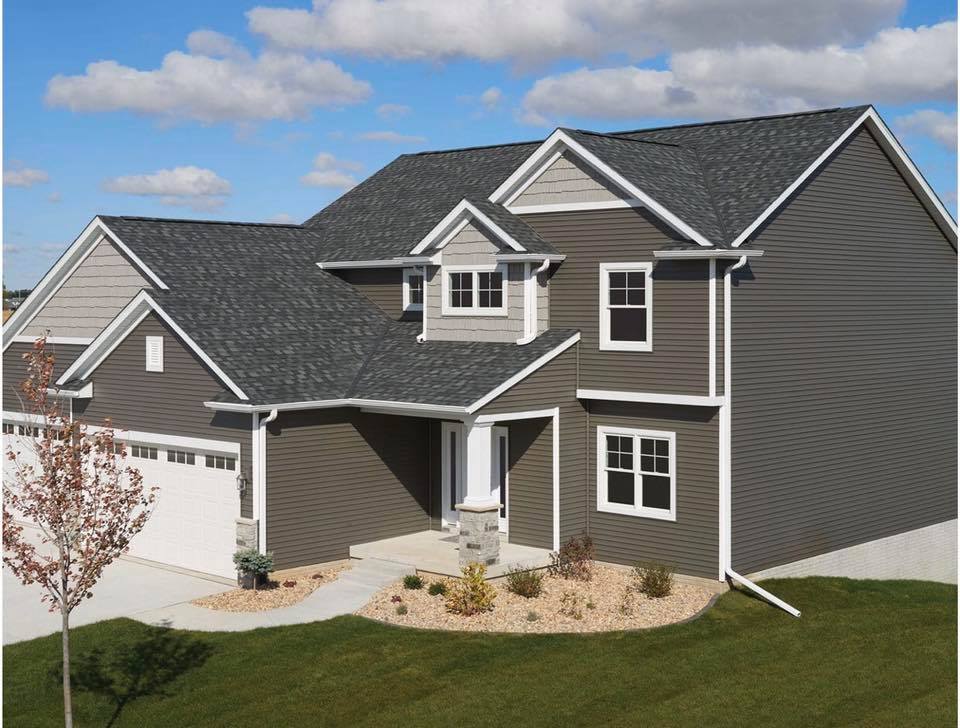
Gable Roof – The absolute most popular design in North America. Two slopes match at a central form, creating exceptional loft ventilation. Cost-effective to construct, though it requires proper bracing in high-wind regions.
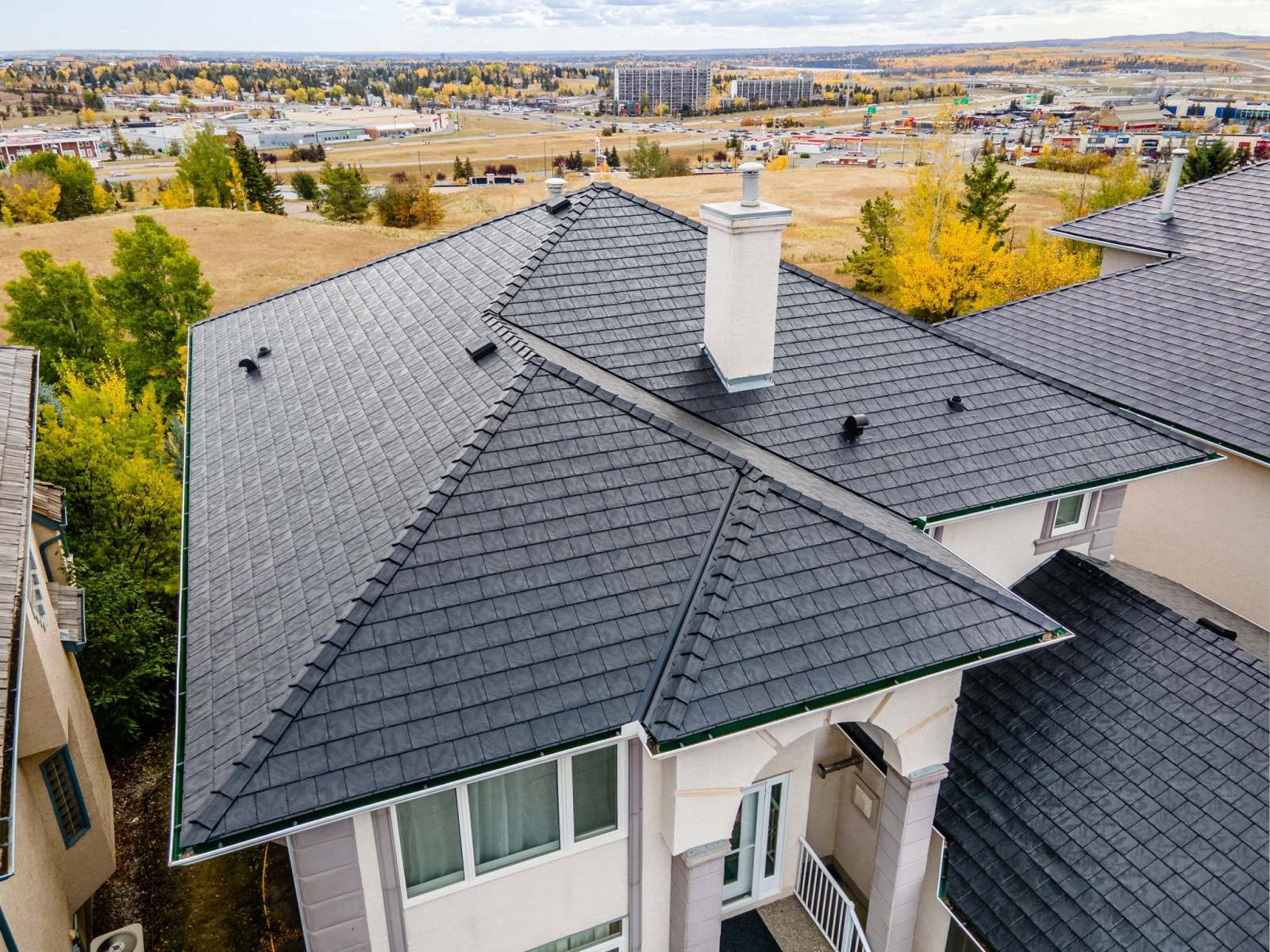
Hip Roof – All four sides mountain downward to the walls. Superior breeze resistance makes this a chosen decision in storm-prone areas.
Gambrel Roof – A two-slope style per side, typically associated with barns and colonial homes. The high lower mountain boosts attic and upper-floor space.
Mansard Roof – A four-sided model with an almost smooth upper section, often noticed in French-inspired and historic downtown architecture. Produces the full useful floor beneath the roofline.
Reduce Roof – An individual sloping surface. The simplest and most economical sloped design to create, and significantly common in modern smart architecture.
How Do Sloped Roof Materials Compare?
Product collection somewhat influences life, cost, and preservation requirements. Here's how the most typical possibilities build up:
Asphalt tiles stay the most used choice for budget-conscious homeowners. Slate, on another hand, supplies the greatest lifespan—often outlasting the developing itself when effectively installed.
How Often Should a Sloped Roof Be Inspected?
Roofing specialists suggest the full examination one or more times every 2 yrs, with additional checks following significant storms. Key preservation jobs include:
Examining shingles for curling, cracking, or missing parts
Washing gutters and downspouts to prevent water backup
Examining sporting around chimneys, ports, and skylights
Clearing debris that traps humidity against the surface
Confirming attic ventilation stays maximum
Finding small dilemmas early—a cracked shingle, a small blinking gap—constantly shows less expensive than approaching the water damage those issues trigger when left unaddressed.
Is a Sloped Roof Better Than a Flat Roof for Snow?
Yes. Sloped roofs let snow to go off naturally, lowering ice dam development and preventing harmful snow fill accumulation. Steeper pitches—6:12 and above—perform particularly well in heavy snowfall regions. Metal roofing used with a steep message presents the utmost effective snow-shedding mixture available.
Final Thought
A sloped roof is not only a structural element—it's a long-term expense in your property's longevity, effectiveness, and value. Deciding on the best fashion, material, and preservation schedule decides how well that investment performs around decades.